






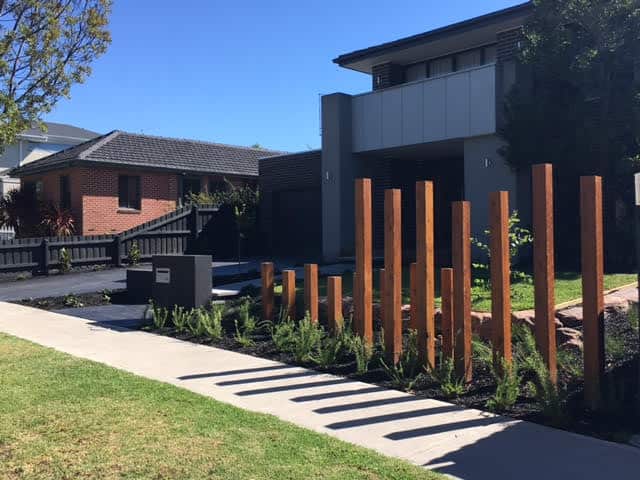
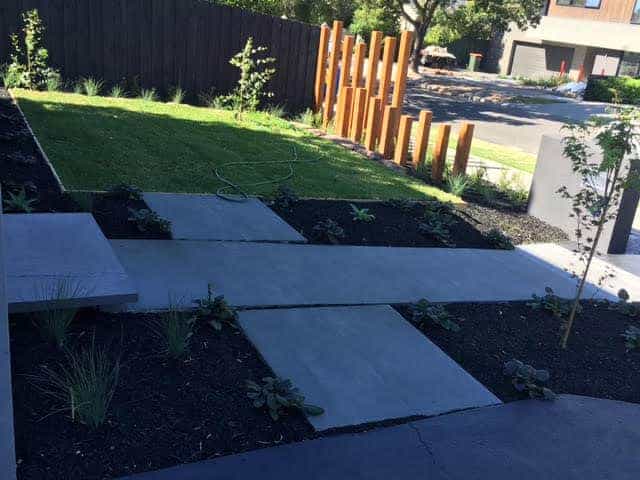
Improve the appeal and appearance of your businesses exterior thanks to our contemporary, fresh, and personalised landscaping solutions.


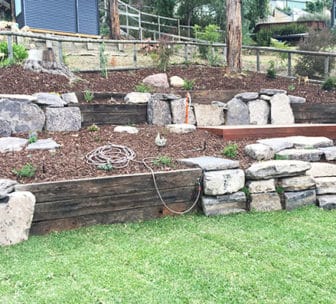
From building pergolas to installing retaining walls homeowners can trust our team to transform their outdoor environments for less.
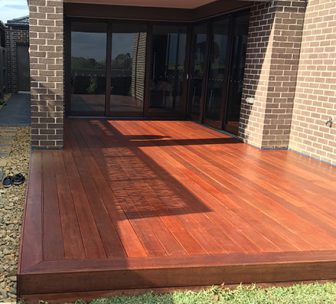
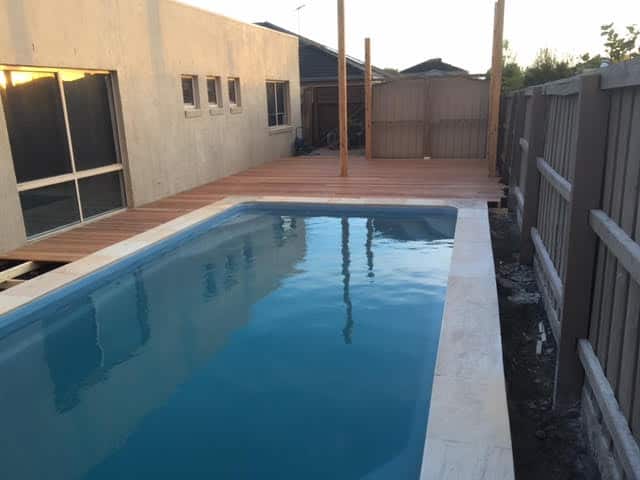
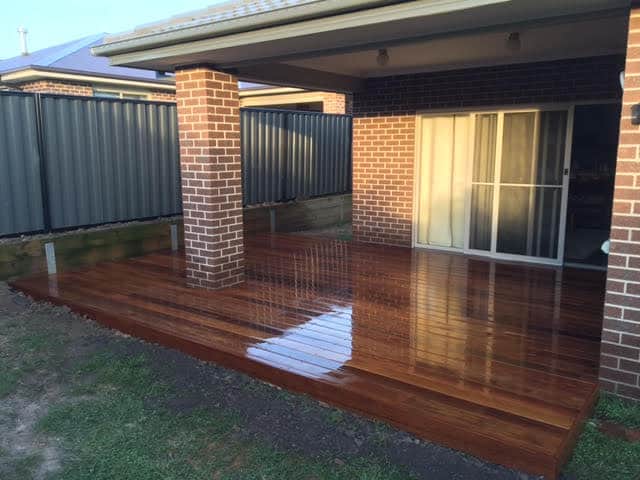
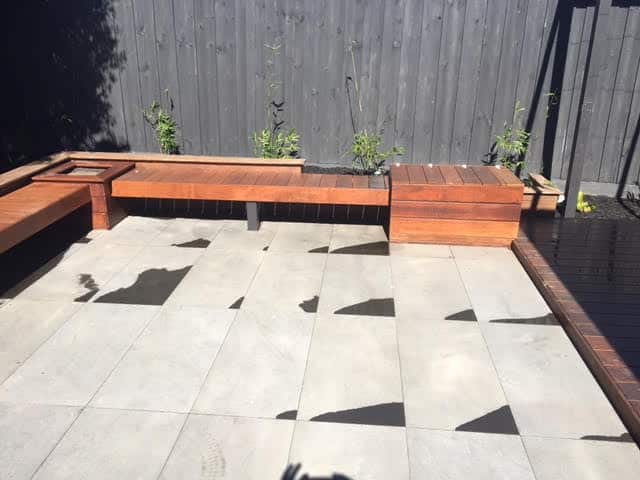
A pergola over timber decking, looking across the back yard, is one of the arrangements you find on Garfield properties. On a block with a shed, a tank and paddock behind it, that structure marks the edge of the part you actually live in.
Built together it runs off one set of levels: deck height at the back door, post positions, the fall of the roof above. Posts are what to get right early. A pergola post carries a roof load, not a deck load, so it takes its own footing under the frame, with boards cut around it. Fix them to a finished deck and the boards come up again.




Local Family
Business

34 Years of Industry Experience

After Hours Visits by Arrangement

12 Months Workmanship Guarantee

Qualified Landscape Gardeners & Concreters








Enquiry

Free On-Site Visit & Quote

Get The Work Done

Completed With the Finish You Will Love!


Only Kane Dalman from Big Fella Landscapes was able to confidently answer all our questions. At every step of the way we were consulted by Kane Dalman ensuring no surprises. Three years later we still receive the WOW comments when guests experience our back yard. We even contracted Big Fella to come back and landscape our front yard and gave them free reign as we were so confident in their style and professionalism.


Dr. Kent Marshall
Not only have the team at Big Fella Landscapes exceeded my high requirements, but we valued the property before and after their work and are thrilled to not only have an amazing cutting edge landscape, but coupled this with a return on our investment in excess of 30% !! I look forward to using them again on my next project.
Mark & Aurelija
I wish to thank you for the wonderful landscaping job done by Big Fella Landscapes. Your company was a true pleasure to work with. Everyone in your team was professional and courteous, on the job each day and competently led by yourself. As an owner builder, I had to personally deal with many contractors during the construction of my new house and I can truly say that out of all the contractors I have used Big Fella was the best one.
Elie
Yes, unless the boards go straight onto a slab, which is the concreting side of it and the work we do as a concreter in Garfield. The frame is footings, posts, bearers spanning between them, and joists across the bearers at the spacing the board maker sets. The boards carry very little. The frame carries you, and stretched joist spacing shows up as bounce.
There is no single winner, but there is a way to compare like for like. Board density, and whether the board is solid or hollow, is what you feel underfoot. Check whether it is capped and how far the cap wraps. Ask for a tested slip rating rather than a claim, and read what the warranty covers for fade and staining. Then compare the fixing systems.
Choose it for the job rather than the label. A deck in full sun needs UV blockers; one that stays shaded needs a coating that resists mould. Foot traffic sets how often you are back out there, and oils re-coat straight over the top while film-forming sealers last longer and eventually need sanding. Oily hardwoods like Merbau want weathering before a first coat holds.